Scientific Validation
Technical Validation
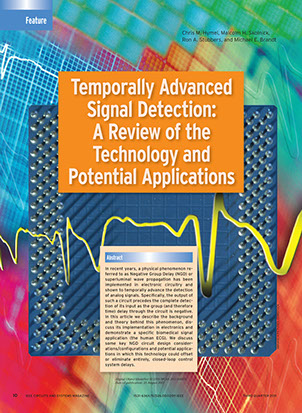
The results of this study were summarized in a peer-reviewed engineering article discussing the theoretical basis, practical implementation, and potential applications of SA technology. Submitted for review in March 2011, the manuscript was published as the feature article in the Third Quarter 2011 issue of IEEE Circuits and Systems Magazine.
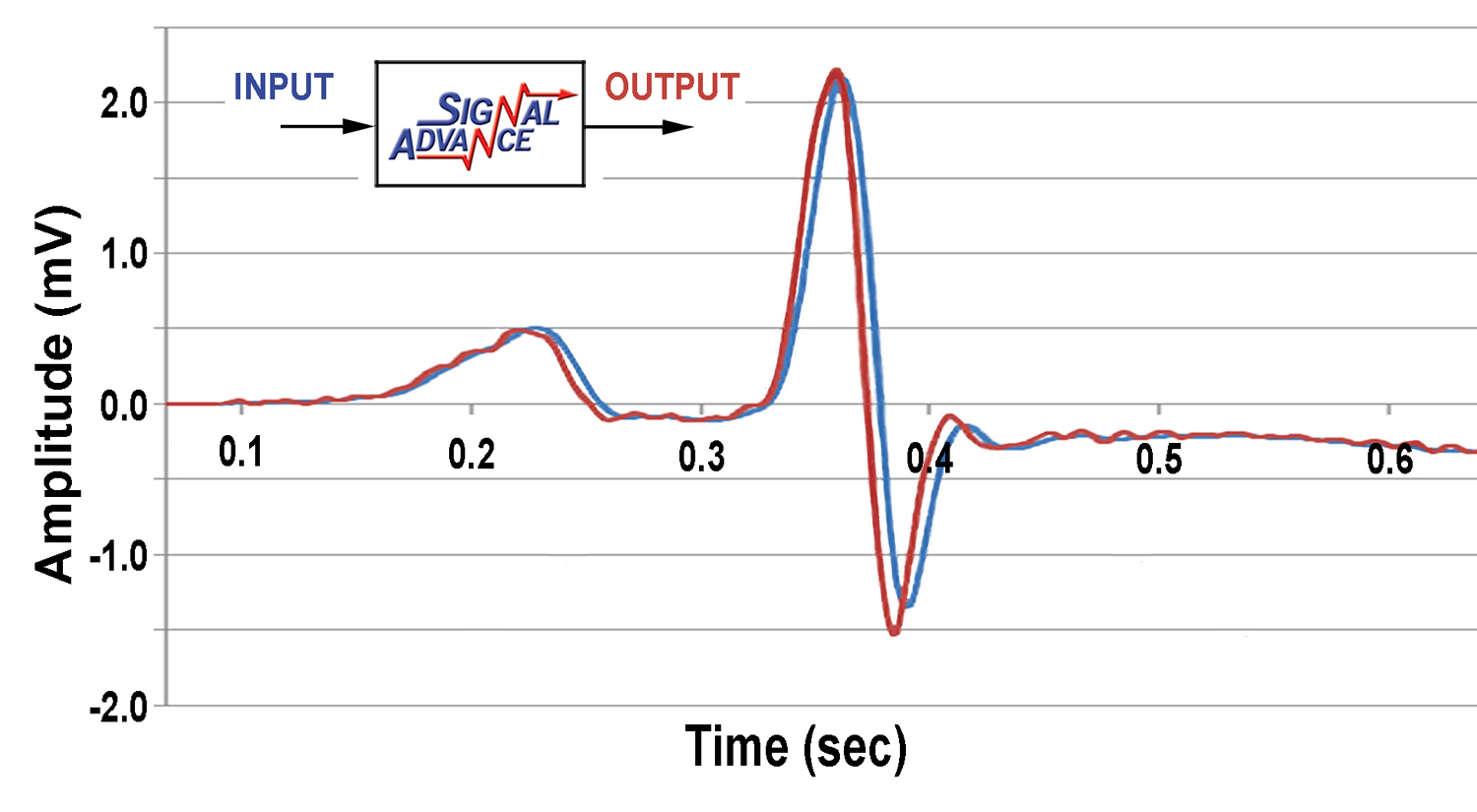
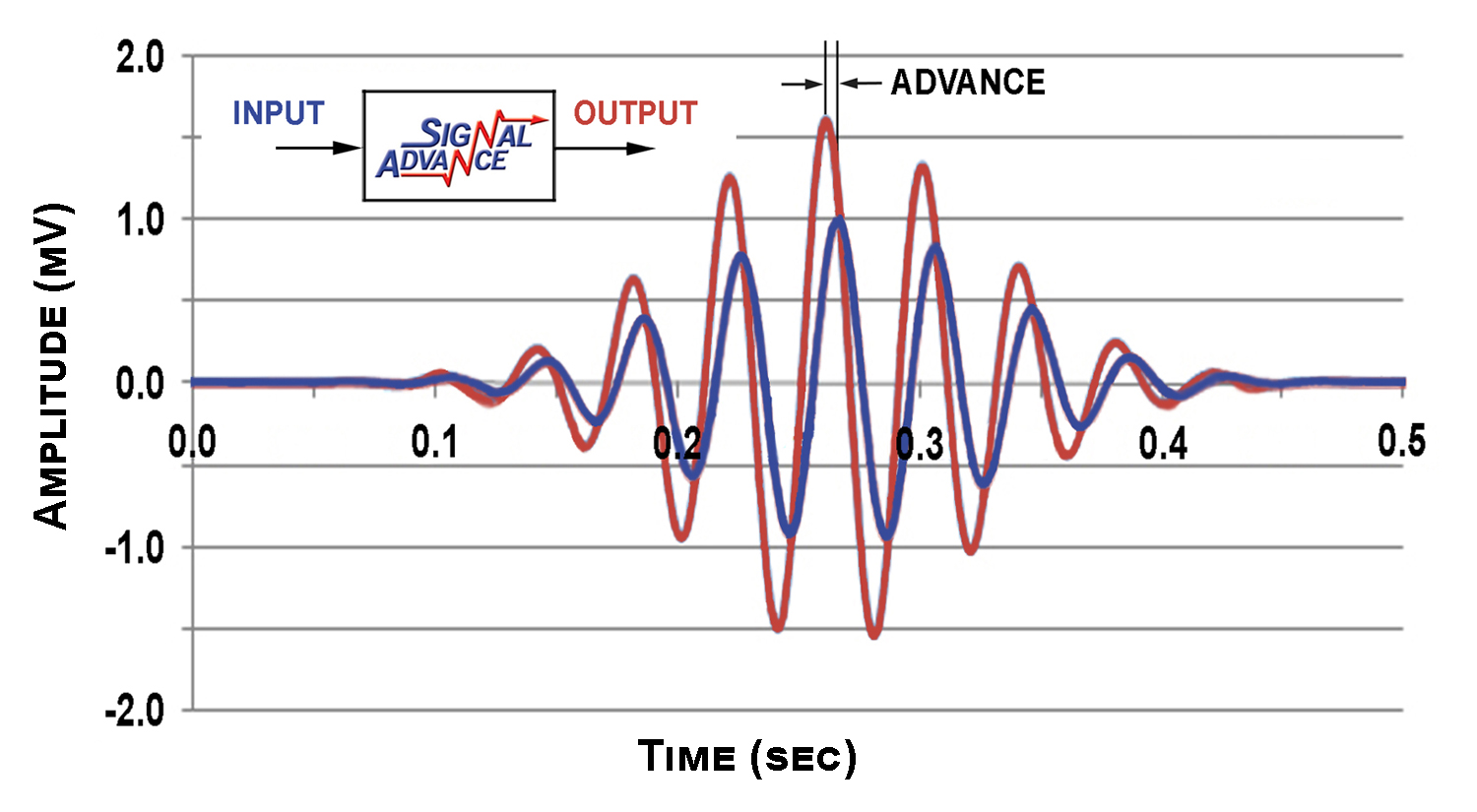
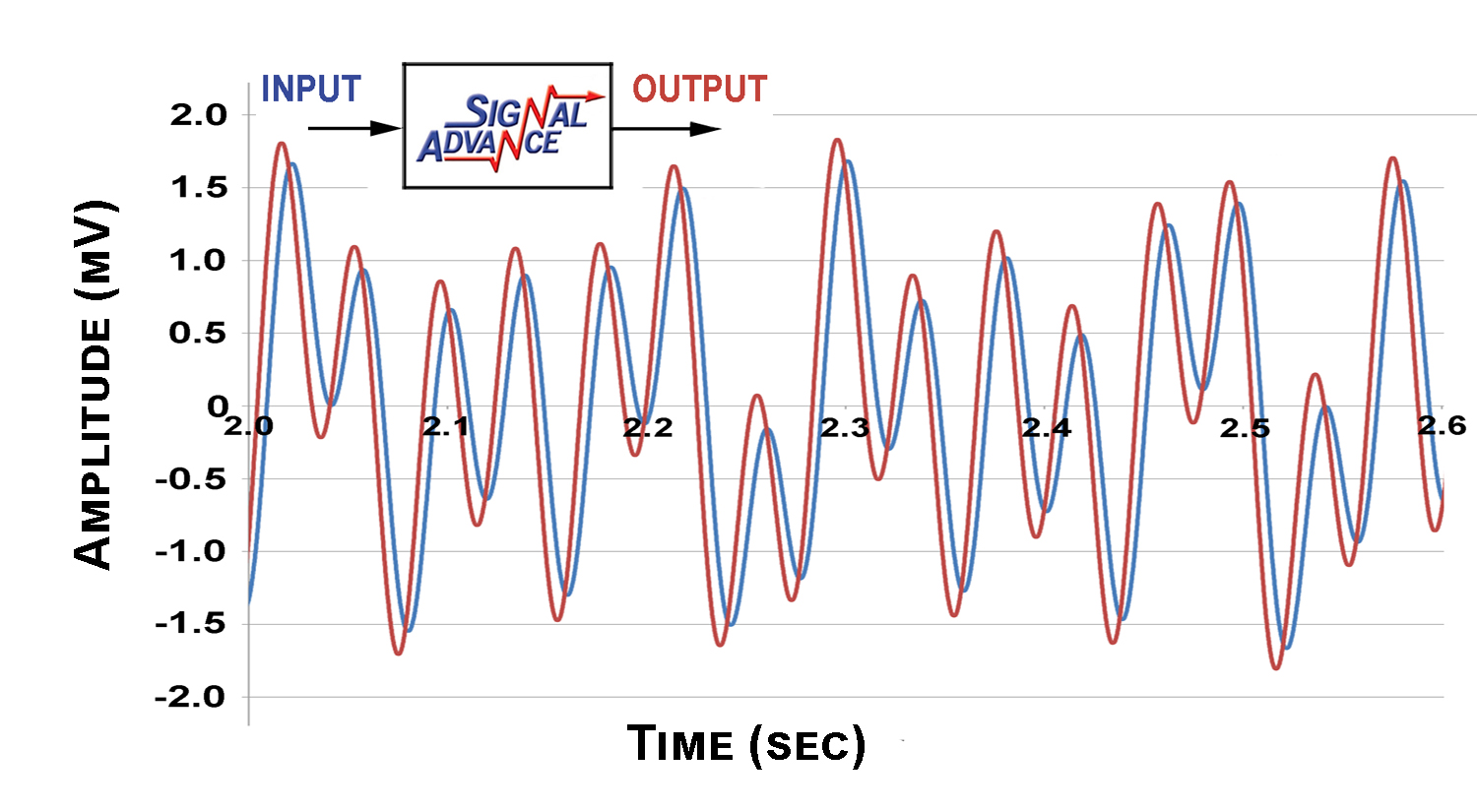
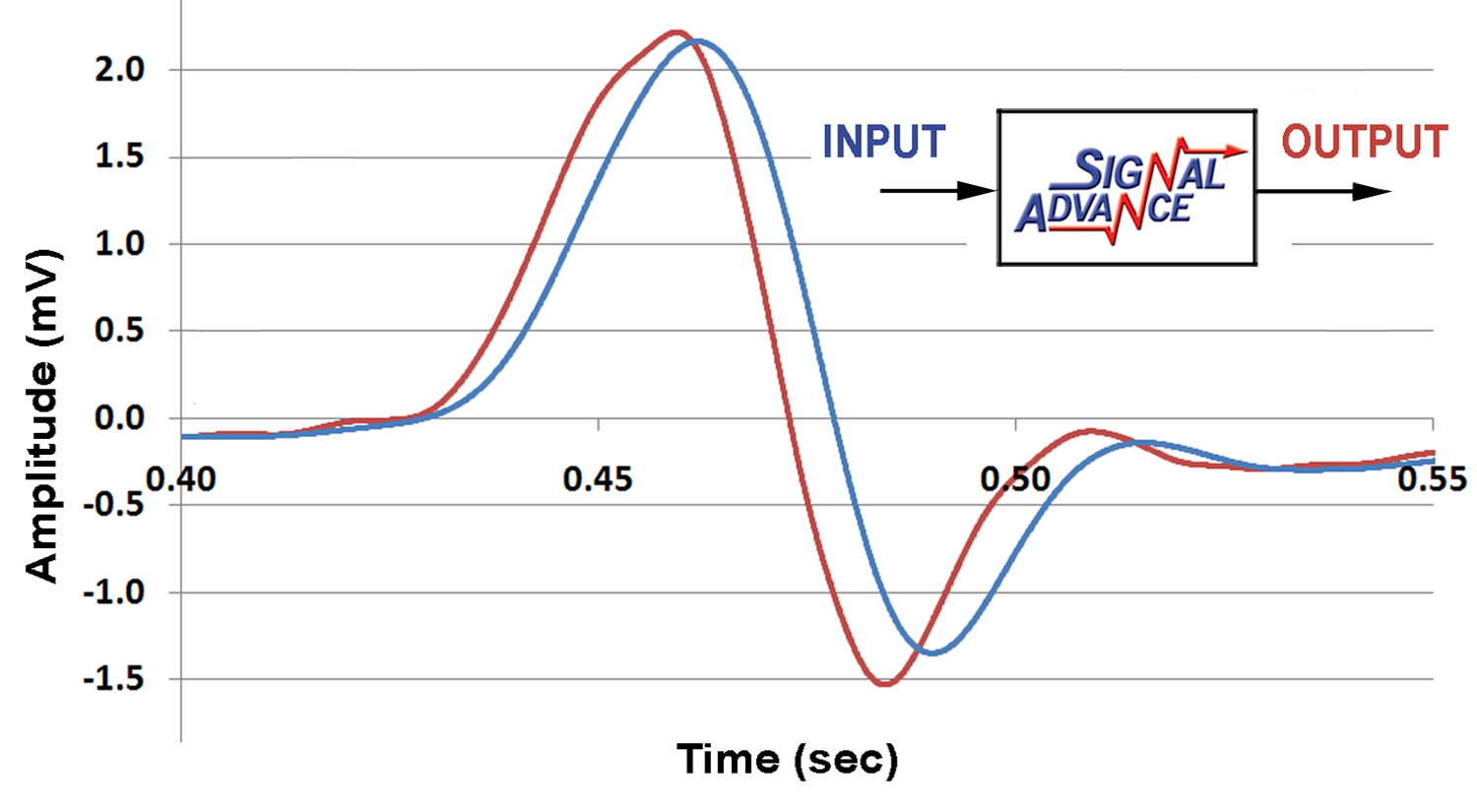
The published results demonstrated a refined SA circuit, designed for the 1 to 25 Hz frequency range relevant to many biomedical signals, that achieved a temporal advance while preserving the shape of the original waveform. In addition to constructed test signals (Gaussian pulses and single- and multi-frequency sine waves), the circuit was tested against 100 real human electrocardiogram (ECG) heartbeats from five subjects, including both normal sinus rhythm and tachycardia. Across all tests, the results were highly consistent: a mean temporal advance of 4.93 milliseconds with less than 1% variation, and a mean signal gain of 0.997, essentially unity, with less than 0.5% variation. Within the clinically relevant 0.5 to 25 Hz band, output waveform distortion averaged less than 6%, and a separate measure of morphological dissimilarity between the input and output signals was less than 0.3%, indicating that the temporal advance was achieved with high fidelity to the original signal. The article’s co-authors include a biomedical engineering Ph.D. who directed a university neurosignal analysis laboratory, and a physicist and patent attorney who formerly served as CEO of a biotechnology company.
Hymel et al, IEEE Circuits and Systems Magazine, 3Q, 11 (3), 10-25.
Signal Advance Technology
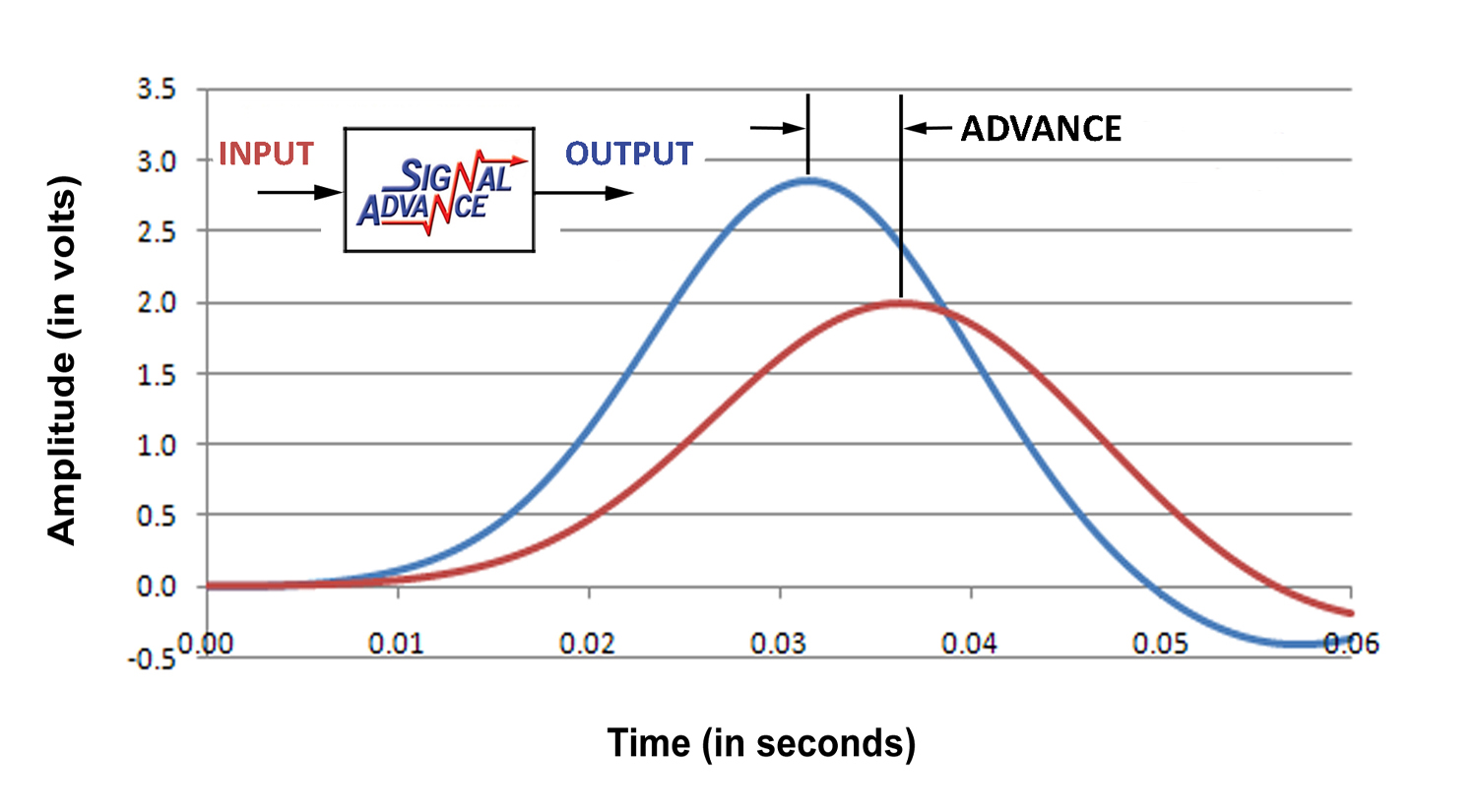
In recent years, a physical phenomenon known as Negative Group Delay (NGD), demonstrated in simple electronic circuits, has been shown to temporally advance the detection of analog waveforms. Specifically, the circuit’s output is advanced in time relative to its input, as the time delay through the circuit is negative, so the output precedes the complete detection of the input signal. We refer to this as Signal Advance (SA) technology, and its successful development carries significant potential for novel interventional methodologies in cardiology and neurophysiology, as well as for a broader range of both medical and non-medical applications.
The linked document provides a general overview of SA technology intended for a broad audience, summarizing the underlying physics, potential applications across medical and industrial fields, and the technology’s validation to date, including Dr. Hymel’s doctoral research and its publication as the feature article in IEEE Circuits and Systems Magazine.
Author: Chris M. Hymel